
The Sound of Medicine Show
We’re coming to medical schools with an immersive audio event about sound and the history of medicine. While on campus, we’re giving a talk about how a practice of attentive listening can help medical professionals better conduct research and serve patients.
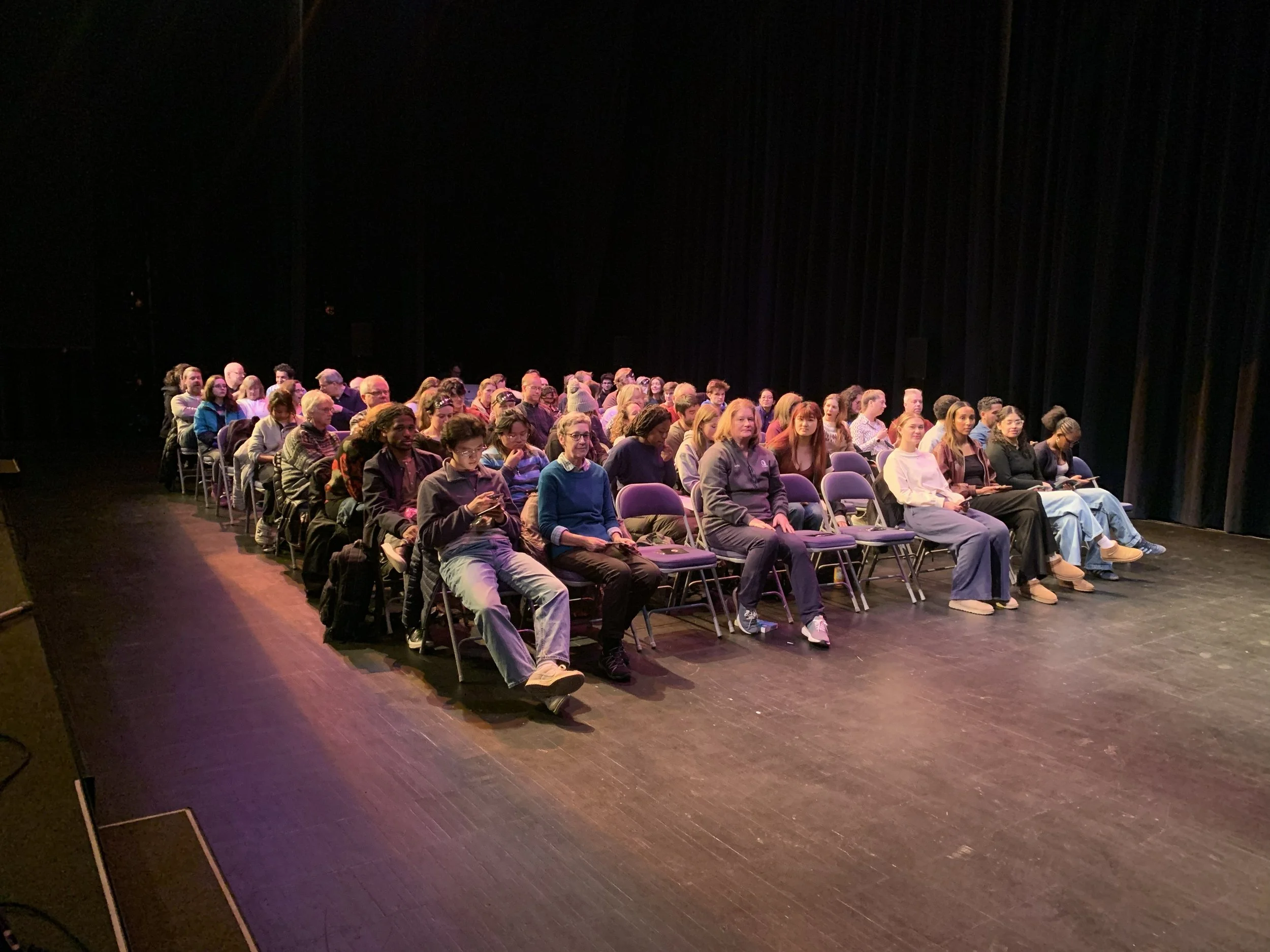
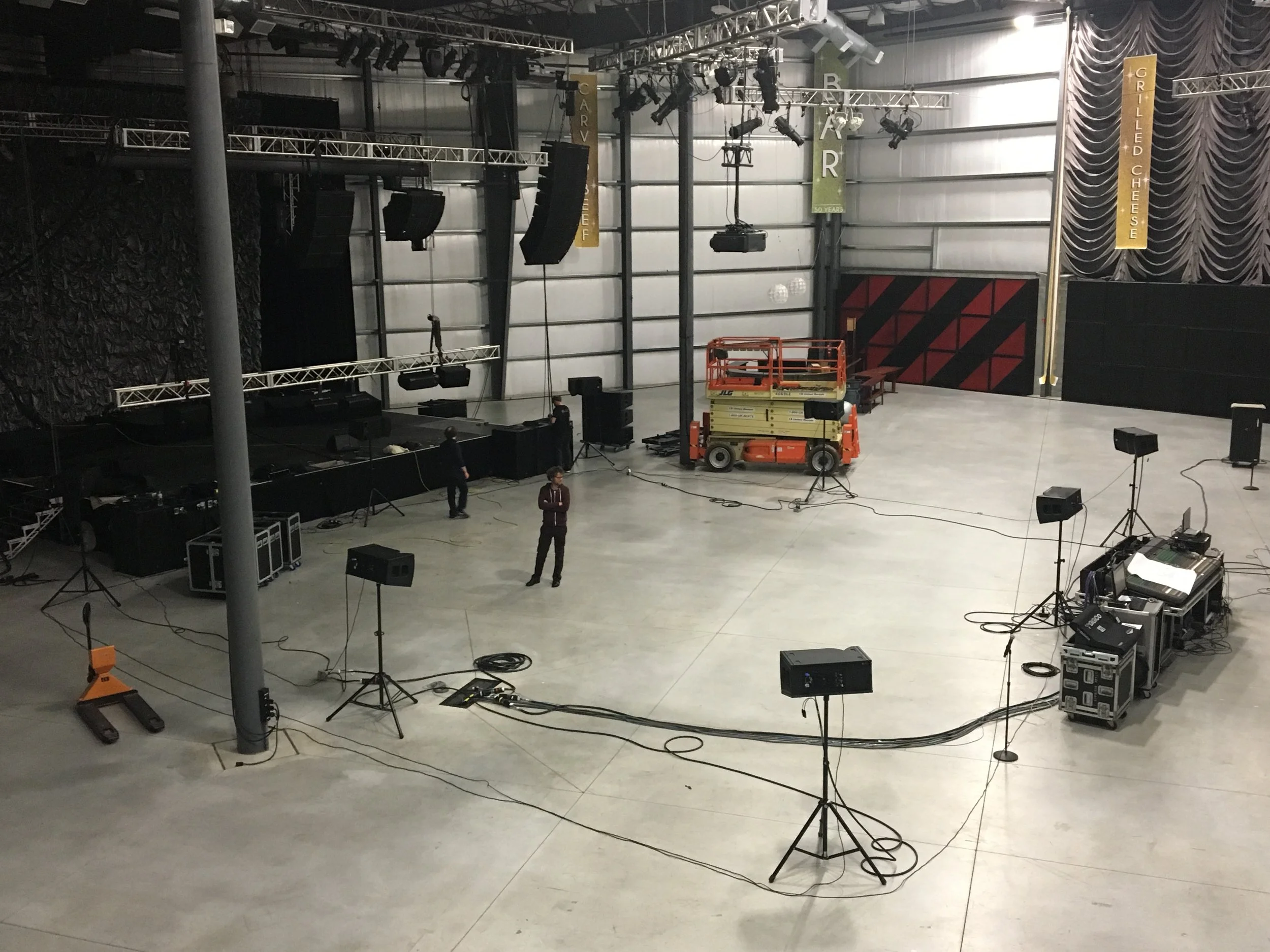
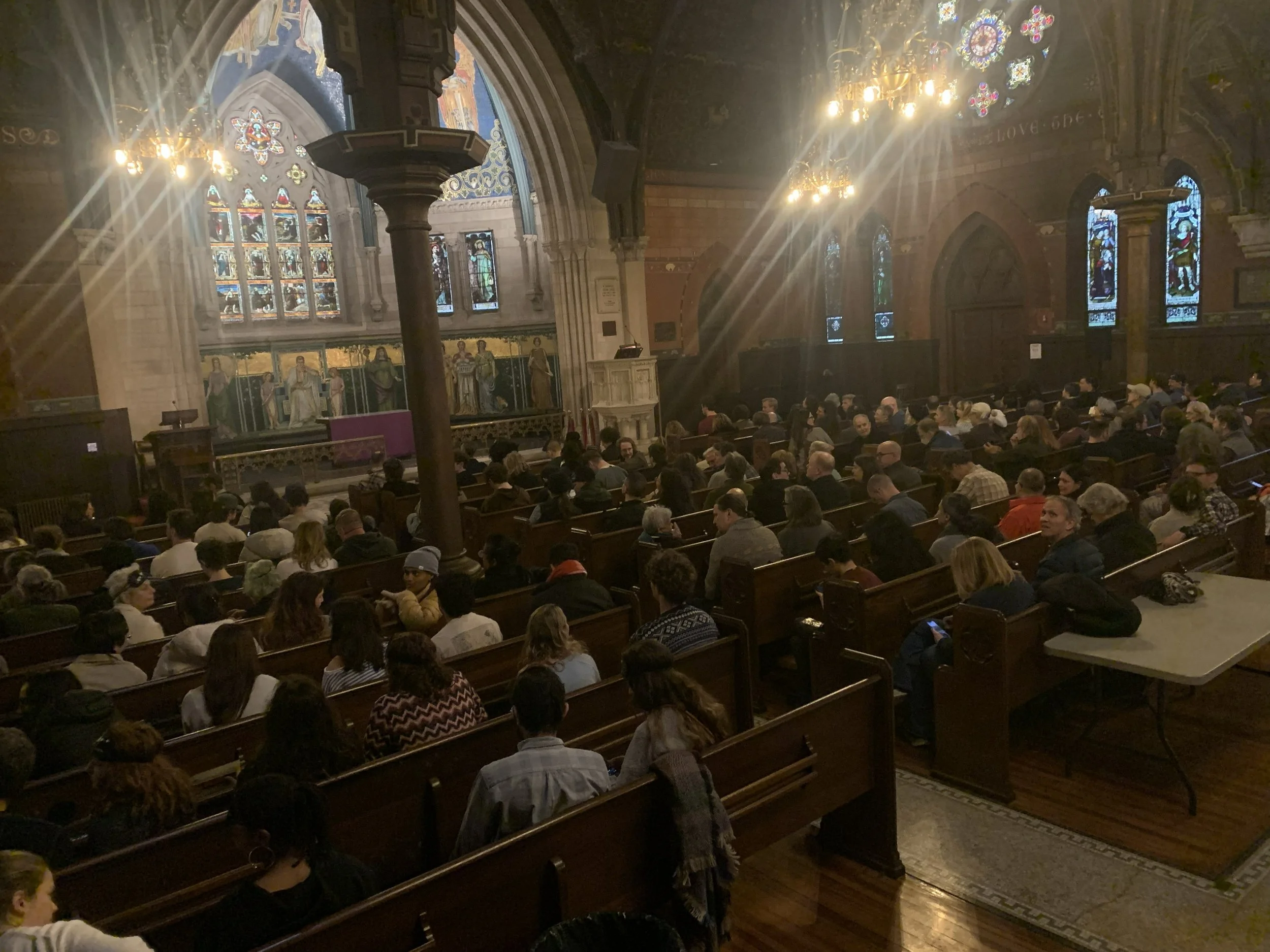
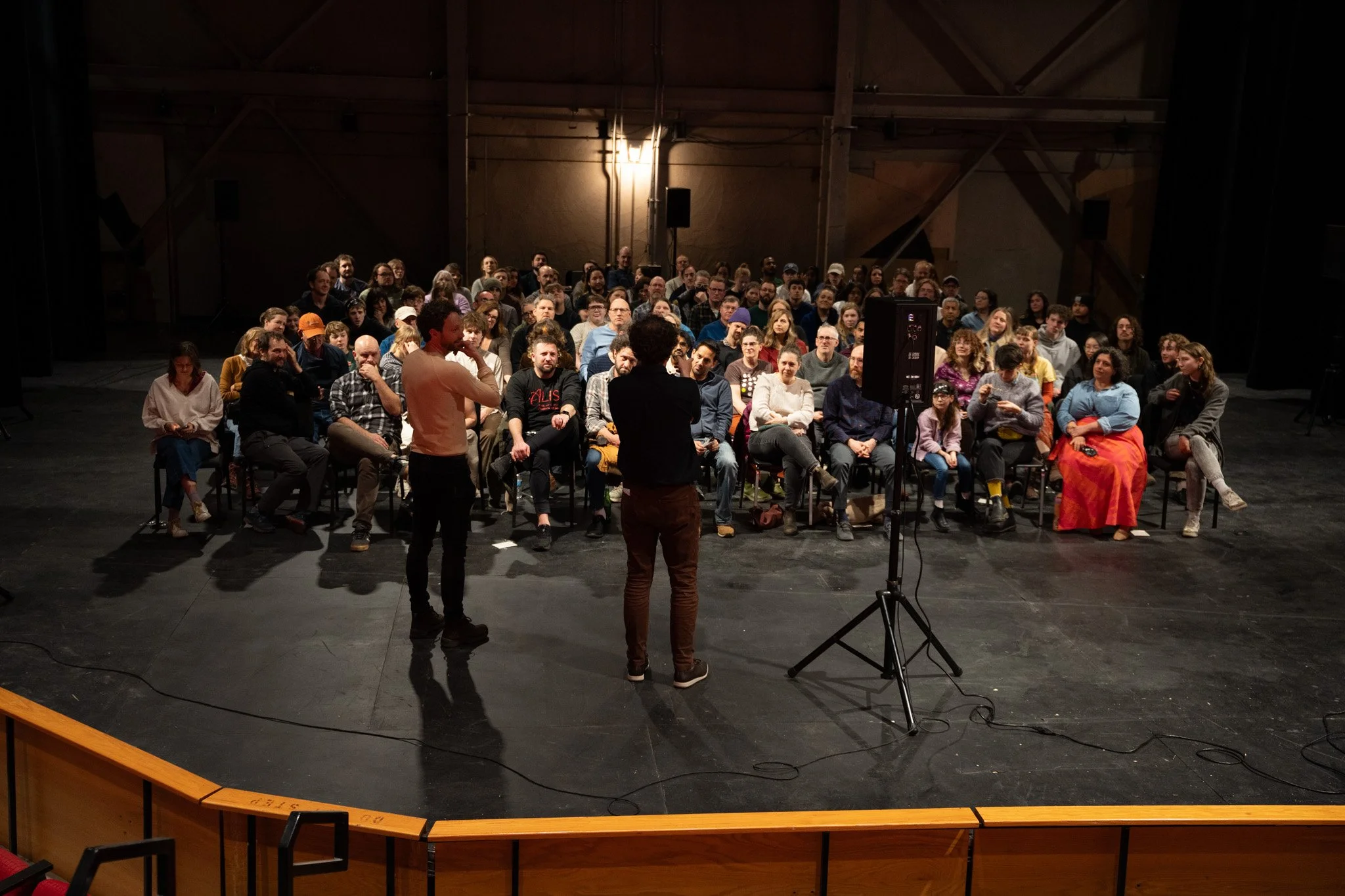
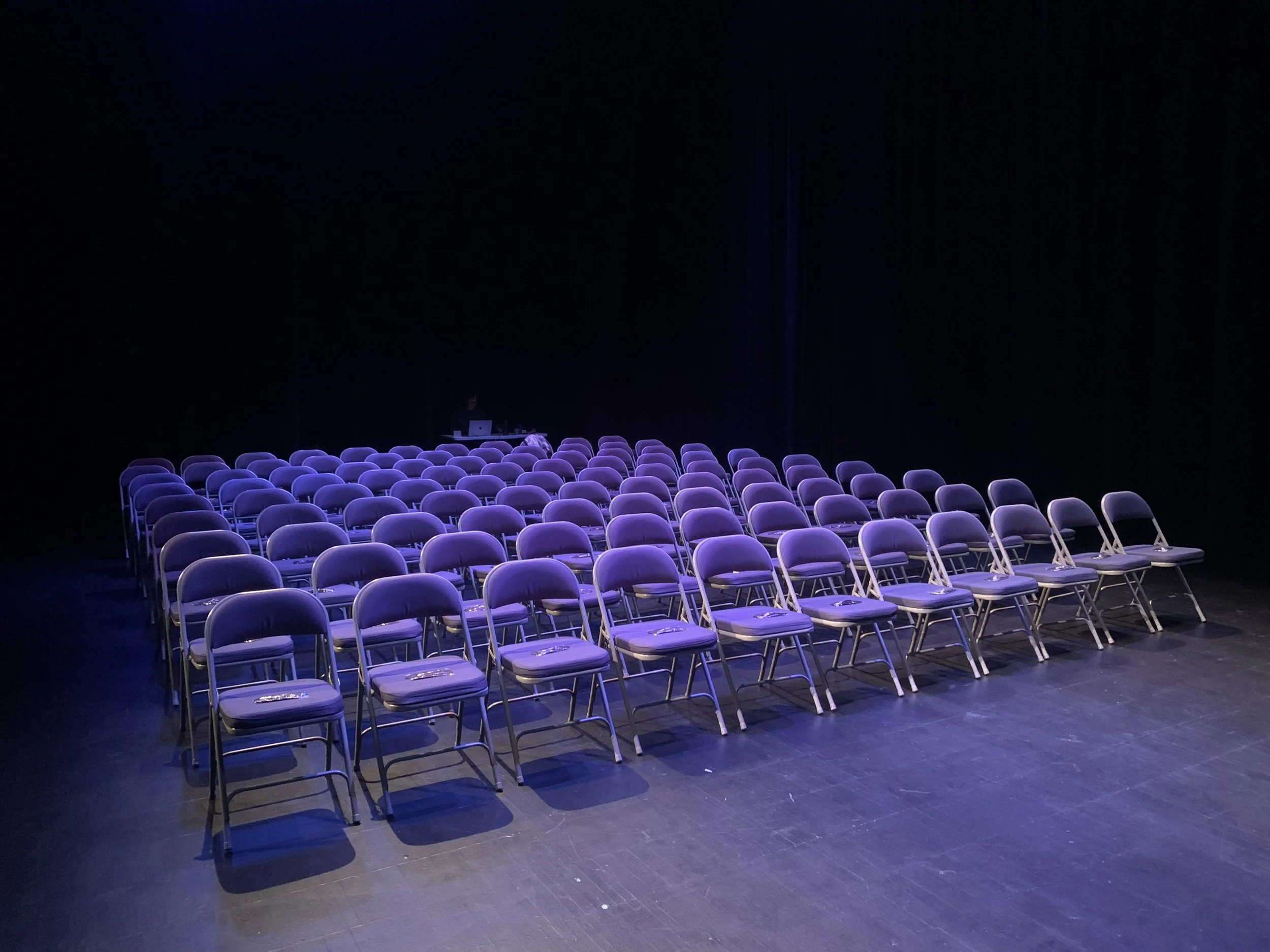
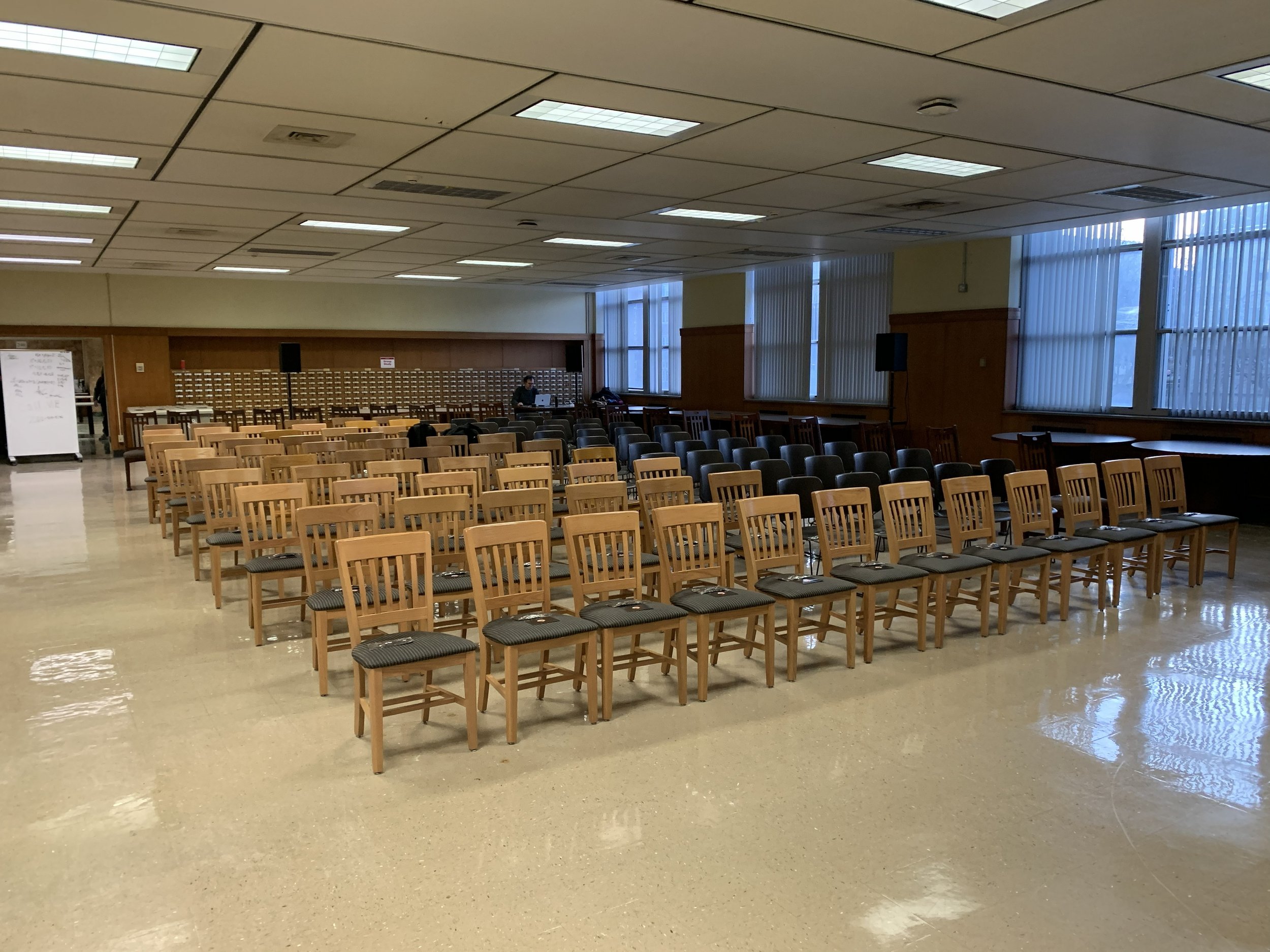
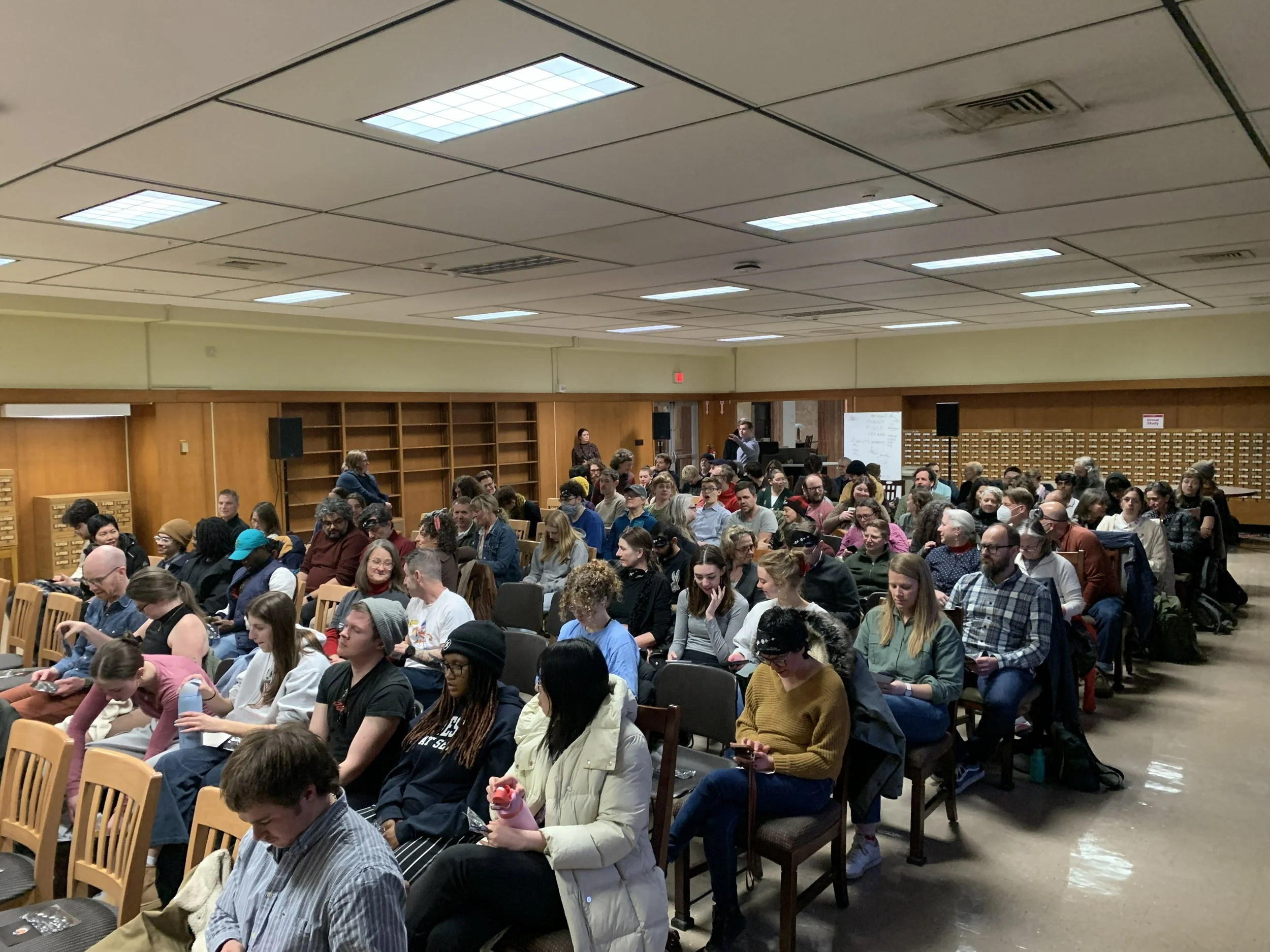
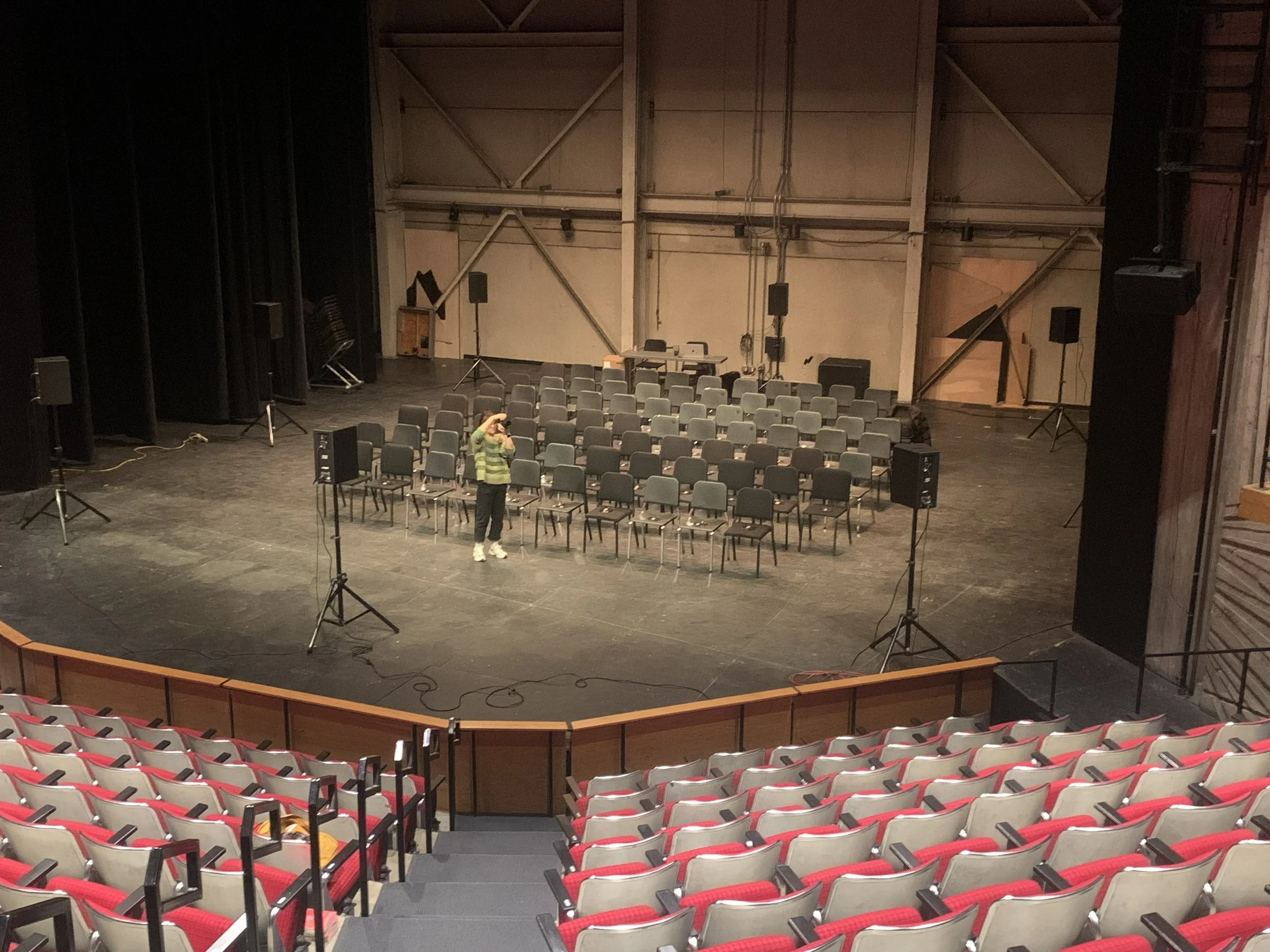
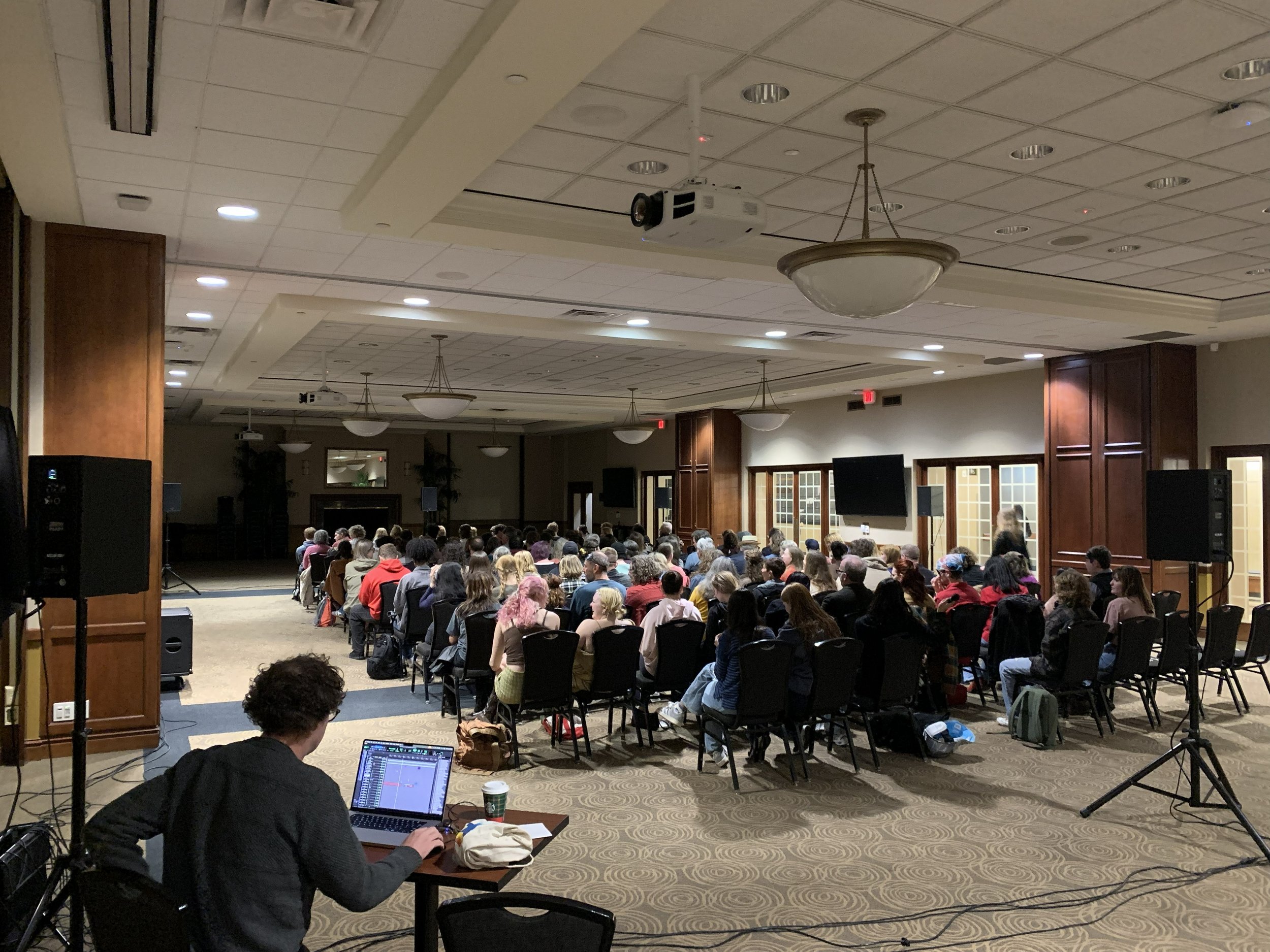
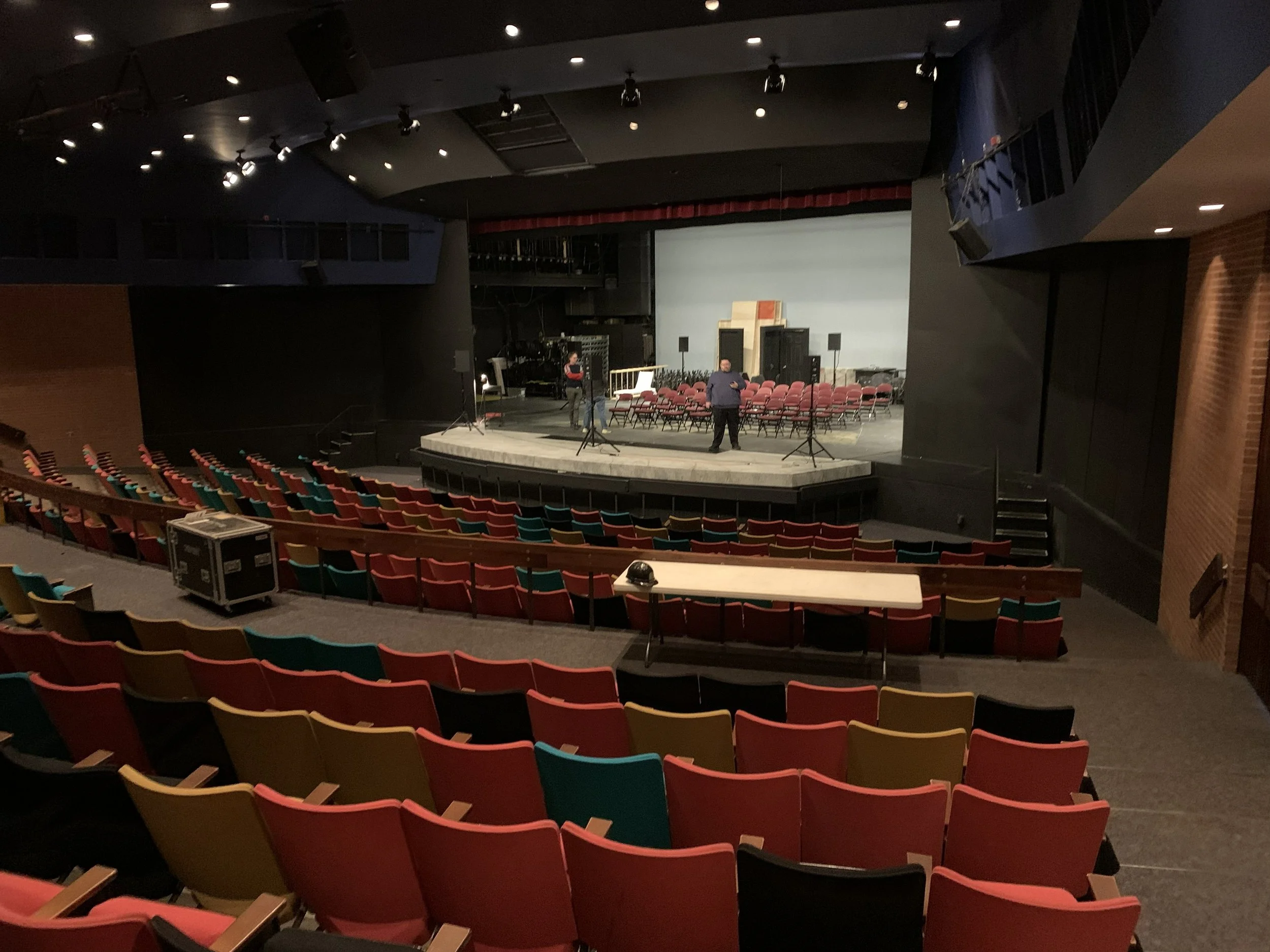
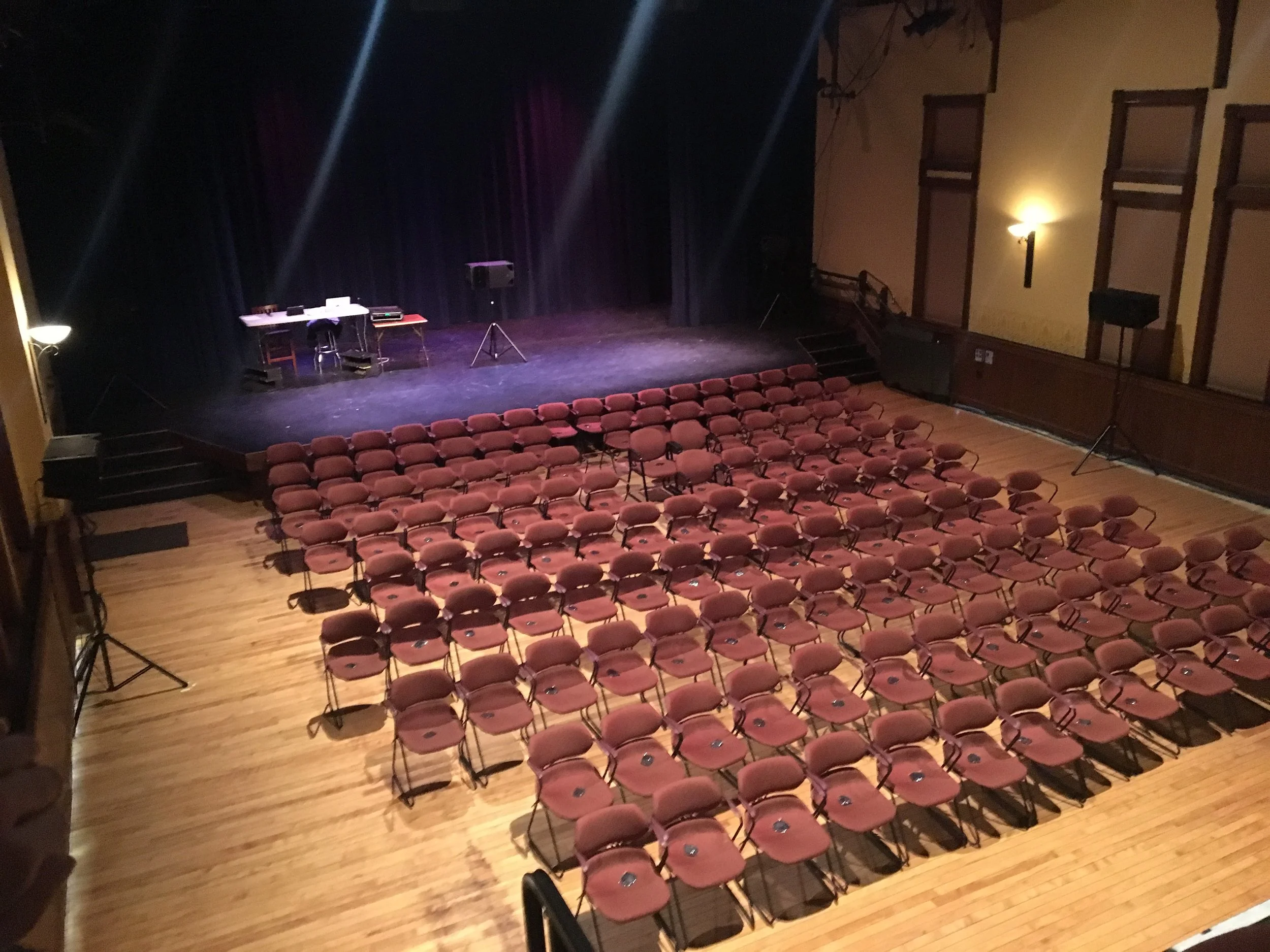
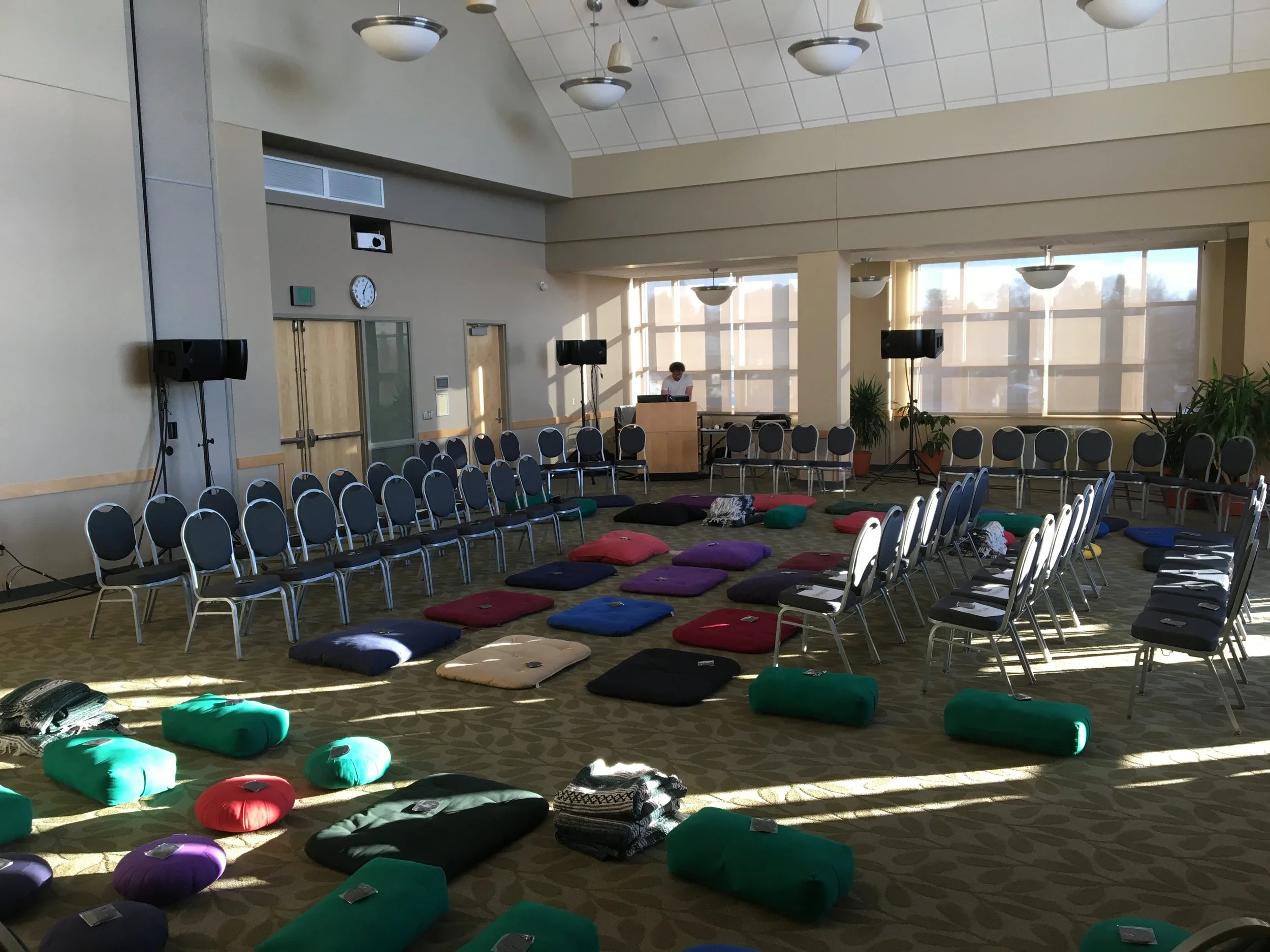
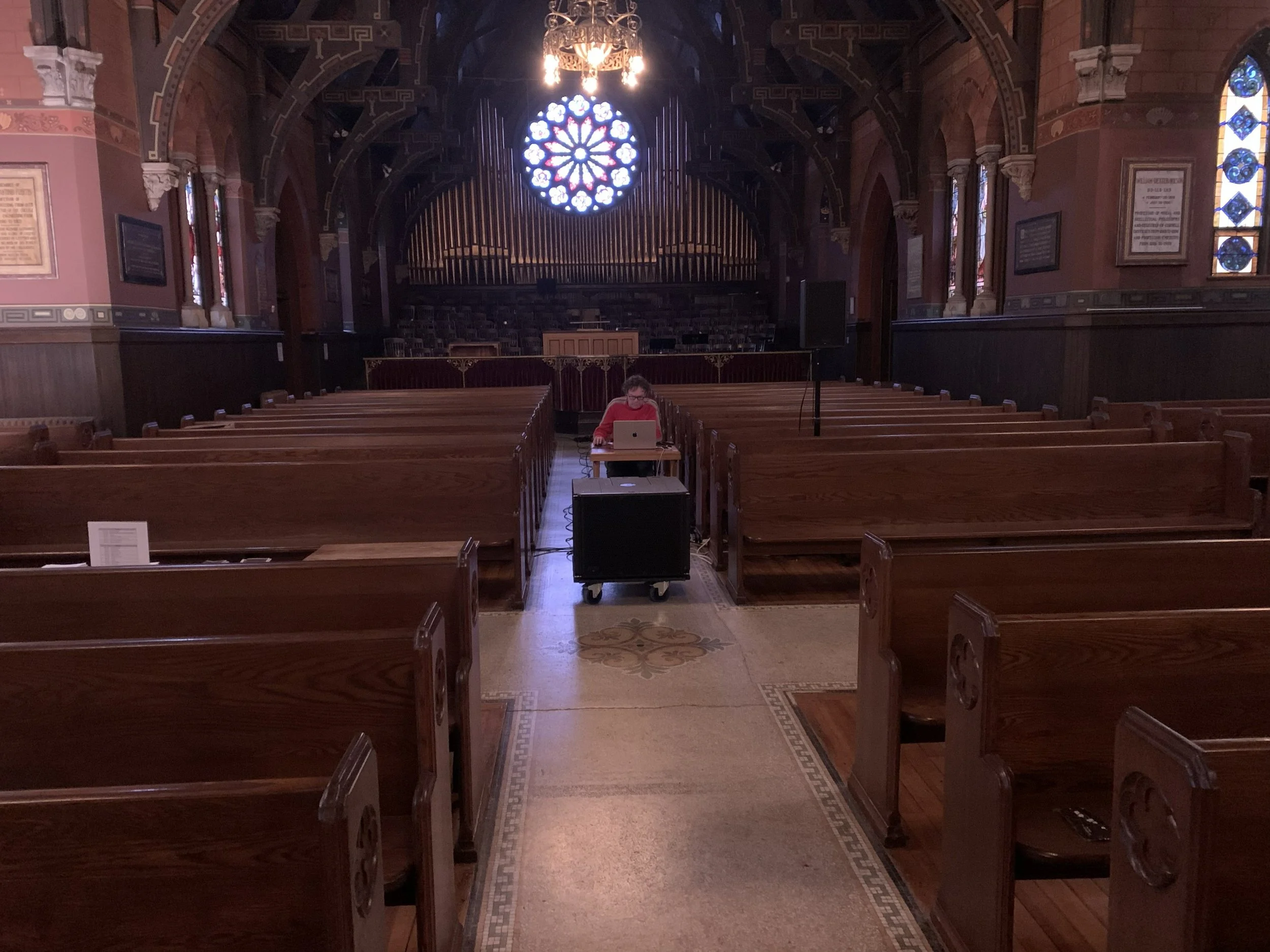
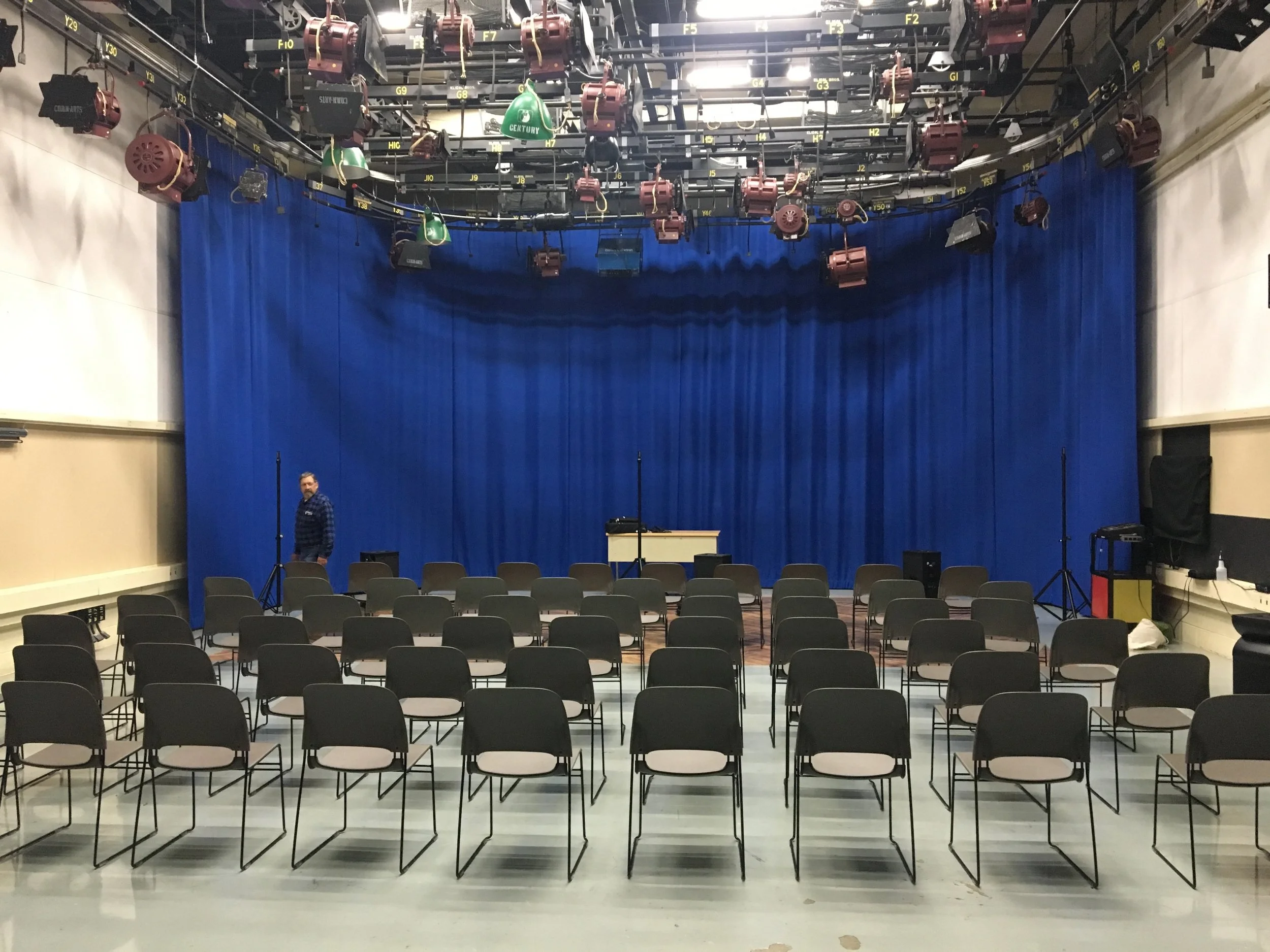
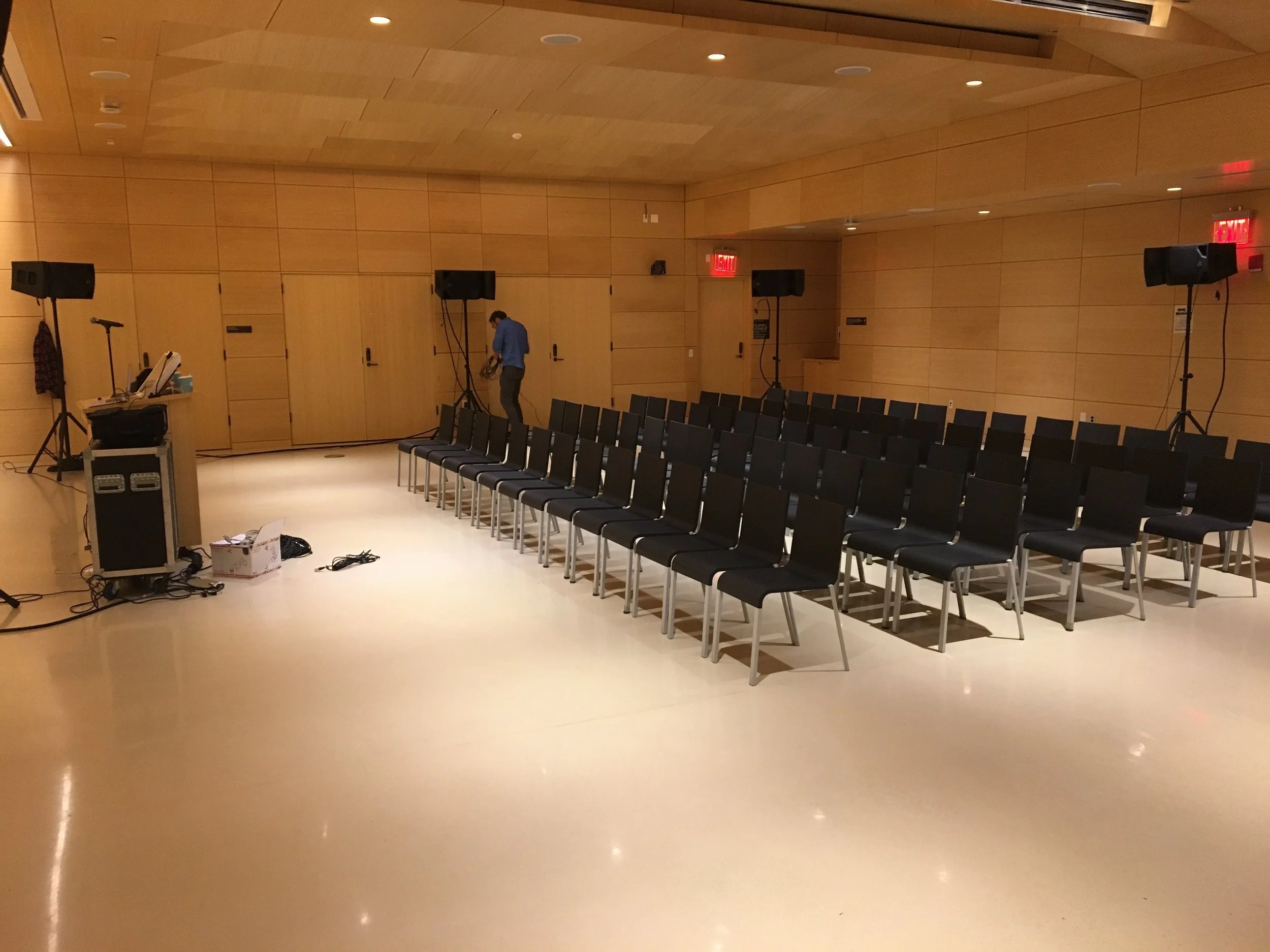
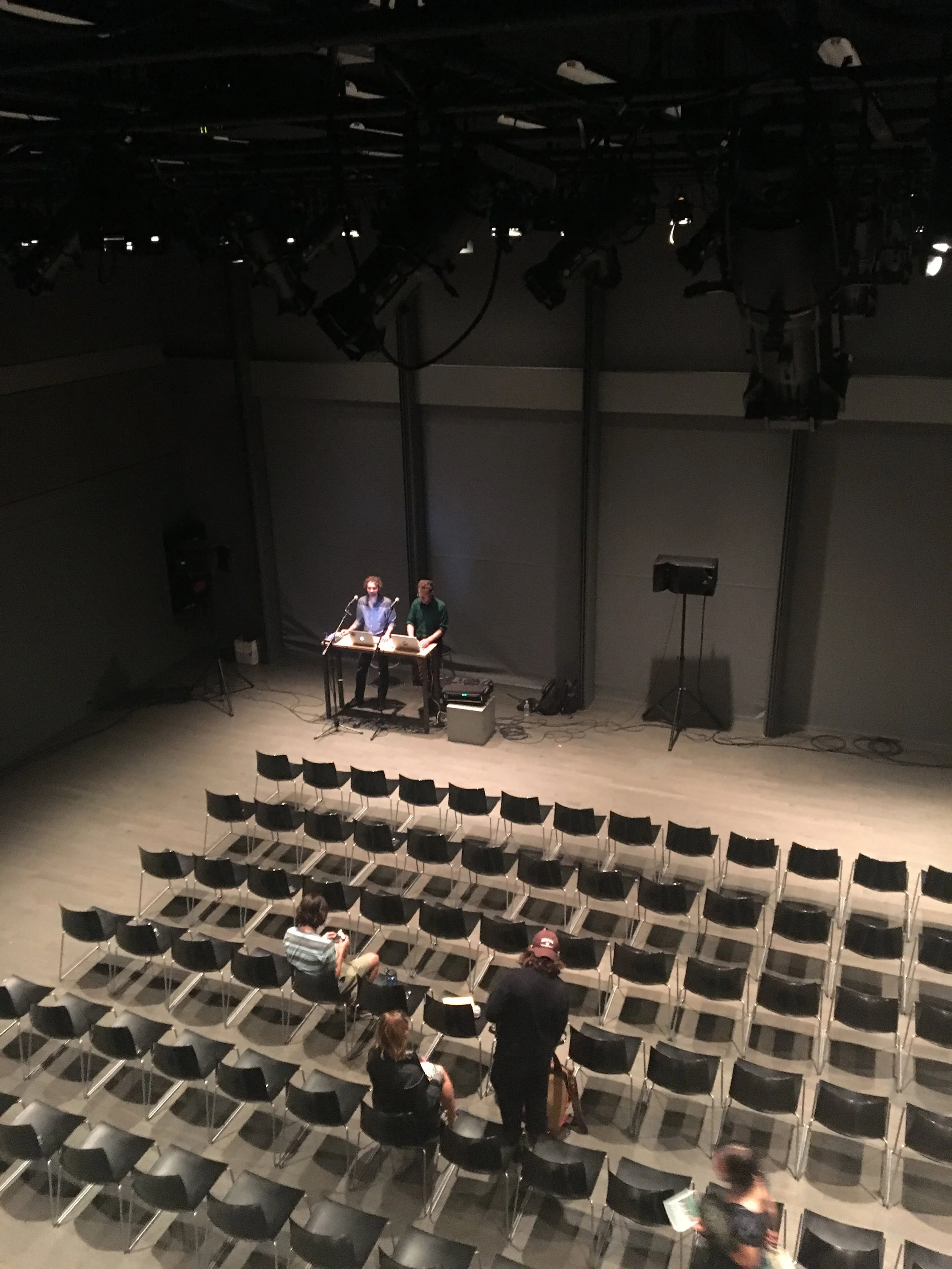
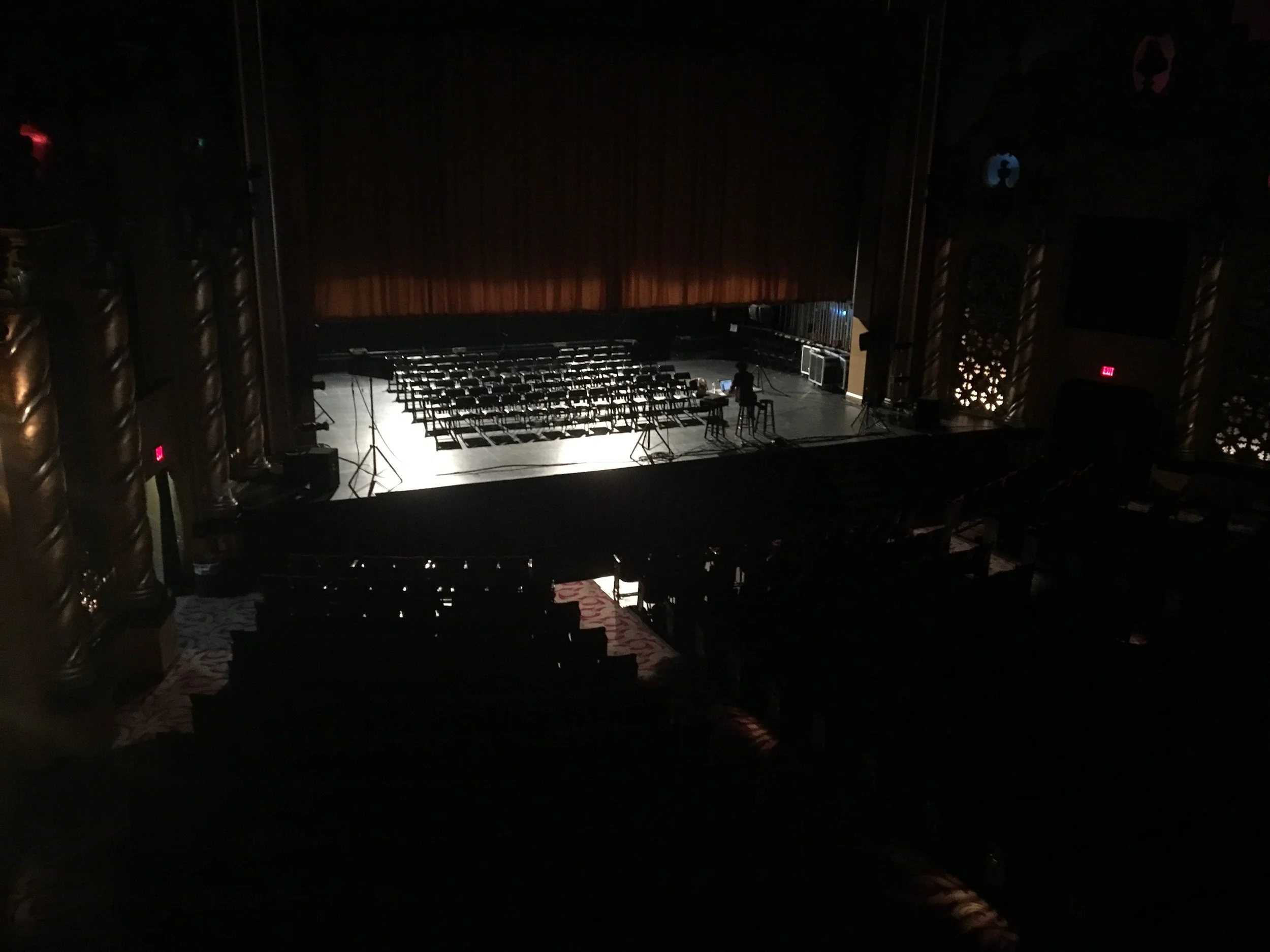
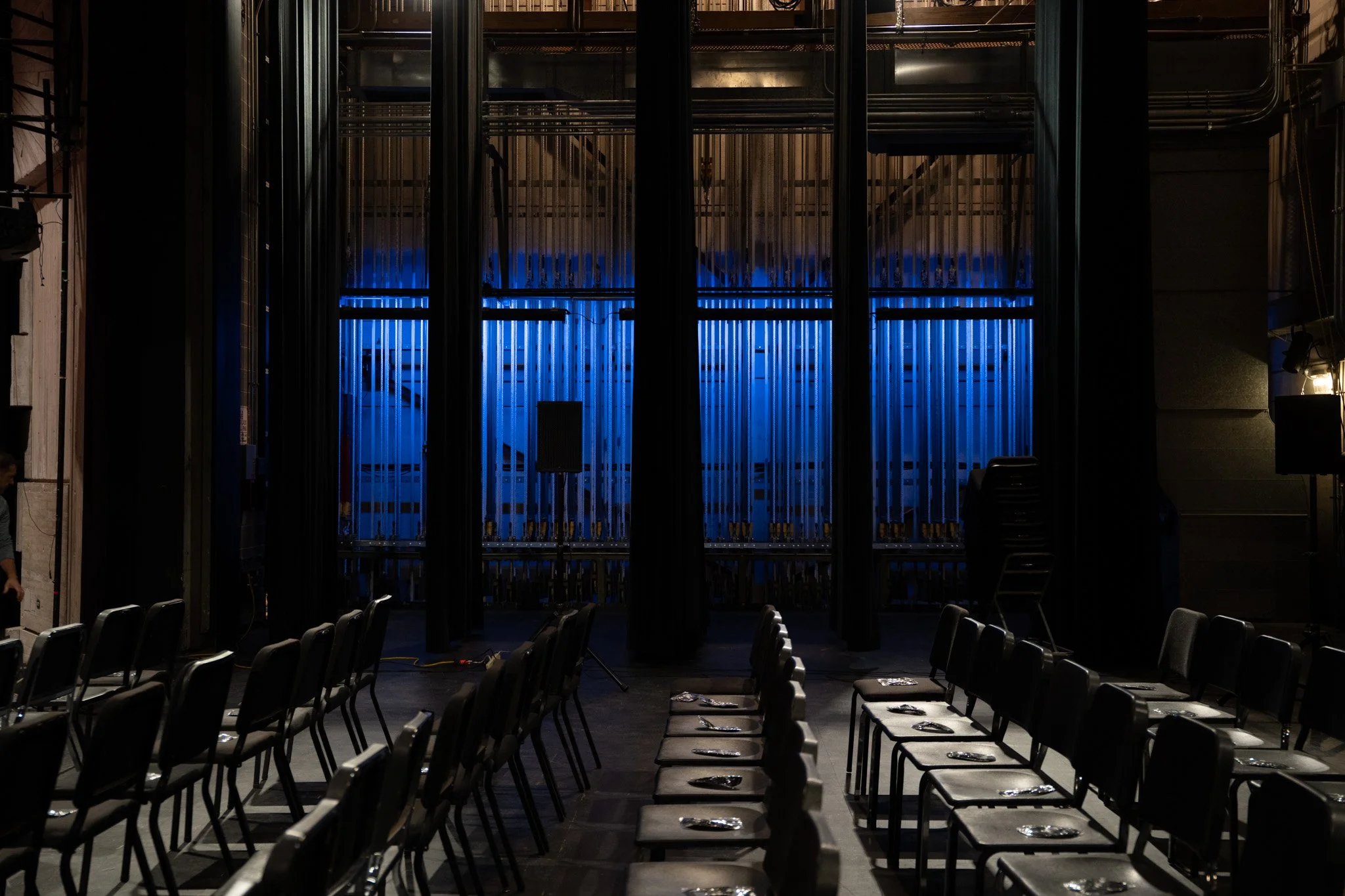
The Show: For 70 minutes you are going to sit in the dark, put on an eye mask, and be taken on a sonic trip that encourages you to rethink the human body through your ears instead of your eyes. You’ll hear early recordings of medical auscultation, the throb of healthy and unhealthy arteries in the brain, sonic representations of pain, and the soundscape of an autopsy. You’ll experience the infrasonics used in pain relief, ballistocardiography, and seismocardiography; music heard through cochlear implants; the full range of tinnitus sounds; and a recreation of an auditory hallucination. Through a mix of audible sounds, ultrasonics, infrasonics, and sonified data, this sonic experience provides a chance to reconsider human health and the medical profession through the overlooked sense of hearing.
The Talk: “Listening in Medicine: Ancient Art and Modern Practice”
Since the time of Hippocrates, medical professionals have been listening to the human body. After the invention of the stethoscope in 1816, the instrument quickly became one of the central symbols of medical practice. Today, sound is often used to diagnose and even treat patients, yet listening has become complicated in modern medicine. Medical professionals face increasing pressure to gather data about their patients and process them as quickly as possible. Hospitals and doctors’ offices are filled with noise-making medical devices that clamor for their attention. What sounds do you take in? What sounds do you ignore? In a world of increasingly fractured attention, how do you make room for focused, intentional listening that will ultimately benefit the patient? In this lecture, Chris Hoff and Sam Harnett situate the sonic conundrum facing modern medicine in the history of listening in the medical profession, and offer practical ways that aspiring physicians can become better listeners.
Who We Are: Chris Hoff and Sam Harnett are co-producers of The World According to Sound, a collection of podcast series and touring sound shows. Their latest podcast project is Ways of Knowing, a series about academic research made in partnership with institutions like Johns Hopkins, University of Chicago, and The University of Washington. The pair are former public radio reporters—Chris covered arts and culture in San Francisco, and Sam was the Silicon Valley reporter for KQED, where he covered the intersection of technology and labor. While working in public radio, their reporting won two Edward R. Murrow Awards for excellence in sound design and was featured regularly on All Things Considered, Morning Edition, The World, Science Friday, and other nationally-syndicated radio programs. They have since published academic papers; spent a semester at Cornell as practitioners-in-residence; and performed their octophonic audio compositions at more than 100 universities, theaters, art spaces, and corporate headquarters.
Write us at thewatsound@gmail.com